A lot of families rule out safari, assuming it's a trip to save for "when the kids are older." In practice, it's one of the trips that adapts best to them. An elephant crossing the track ten metres from the vehicle doesn't need any explanation to impress a six-year-old. What it does need is planning built around them from the start, instead of an adult itinerary adjusted on the fly.
What age actually works?
There's no single right answer, but a useful rule of thumb: from around 5 or 6 years old, most children comfortably handle a multi-hour game drive, understand the safety basics (stay seated, keep quiet near wildlife, no arms out of the vehicle) and genuinely engage with what they're seeing. Below that age, safari is still entirely possible, and plenty of families travel with babies and toddlers without any issue, but it helps to keep drive times shorter, choose accommodation with more room to move around, and avoid stacking too many long travel days back to back.
Why a private vehicle matters even more with kids
On a shared safari with other families or couples, the group sets the pace: if your child needs to stop earlier, nap mid-morning, or simply isn't interested in watching one particular bird for twenty minutes, there's not much room to adjust. With a private vehicle and guide, the game drive gets shortened, extended or reshuffled around what your family needs in that moment, without anyone else having to wait or miss out.
Which parks work best with children
Not every park covers the same ground, and with younger kids it's worth prioritising the ones that deliver the most wildlife for the least time on the road:
- Tarangire: elephant herds, up close and often, plus enormous baobabs that always grab attention. One of the most rewarding parks for a first safari day with kids.
- Ngorongoro Crater: wildlife density high enough that a few hours can turn up lions, hyenas, elephants and, with luck, rhinos, all without covering much distance.
- Lake Manyara: a compact park with short stretches between sightings, easy to pair with a rest day.
- Serengeti: absolutely worth it, but the long drives between areas need to be paced carefully, especially with younger children.
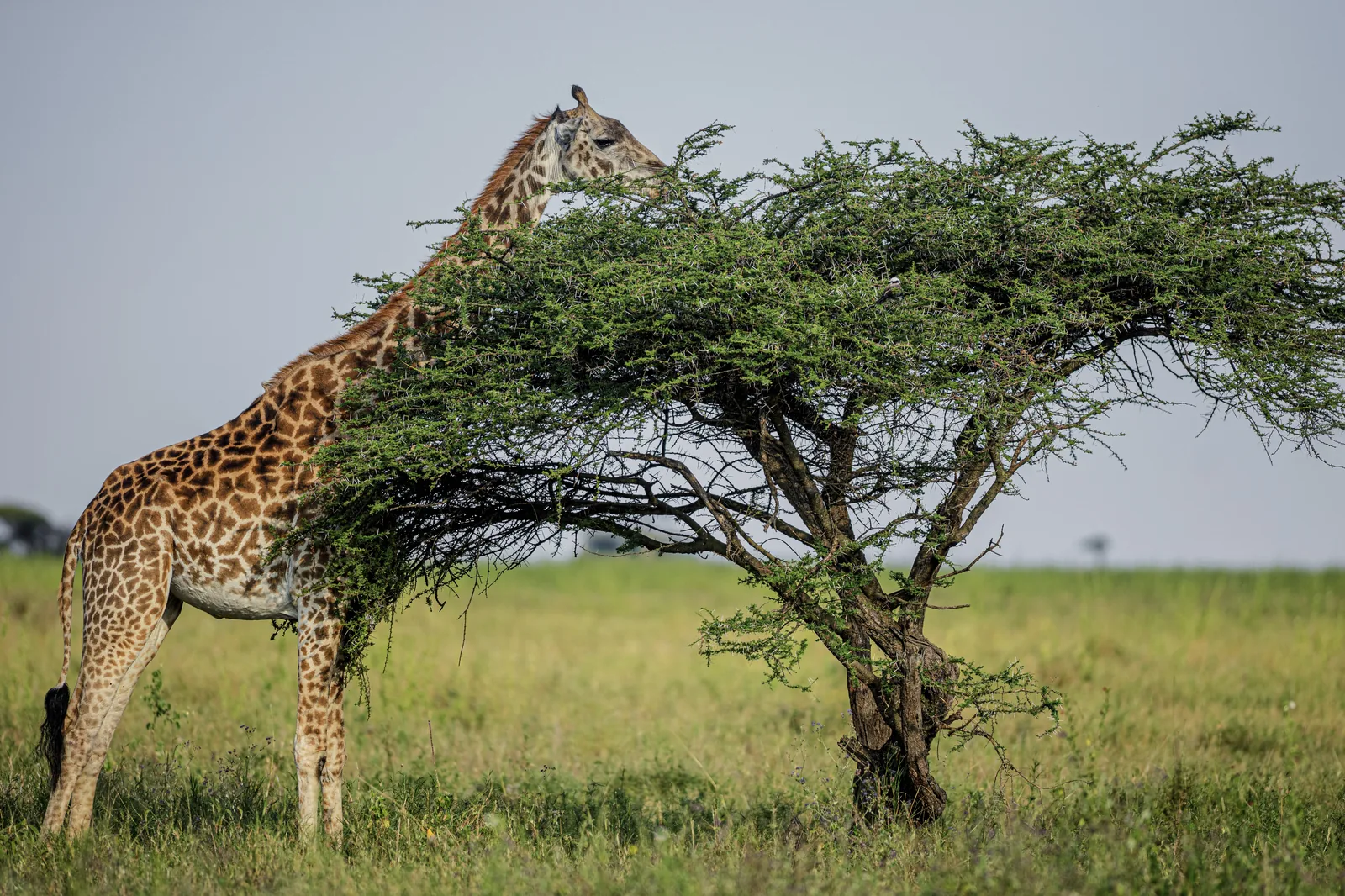
Accommodation: what to look for
For families travelling with children, we usually prioritise lodges or tented camps with family rooms or interleading tents, a pool to unwind at midday, and a layout that gives kids a bit more freedom to move around than a fully open, unfenced bush camp. It's not a fixed rule, it depends on each child's age and what the family is after, but it's one of the first filters we apply when choosing where to sleep each night.
How we adjust the daily pace
With kids, we typically shorten the morning game drive, leave midday free for an unhurried lunch and time at the lodge pool, and make the afternoon drive optional depending on how the day's gone. It's not a "lighter" safari: it's the same wildlife and the same expert guiding, just spread out differently so everyone, parents included, actually enjoys the trip instead of just getting through it.
Health and preparation
Before travelling, check with your paediatrician or a travel health clinic about malaria prophylaxis and recommended vaccinations for Tanzania based on each child's age. That's not something we can advise on, but we're happy to point you toward what to ask about. Beyond that, what actually makes a difference day to day is simple: sun protection, insect repellent, water always on hand, a hat that won't blow off, and some of their own entertainment for the longer stretches of road between parks.
Closing the trip with a few beach days
After several days of safari, adding a final stretch in Zanzibar tends to work really well with kids: calm, warm water, far fewer schedules to keep, and a much gentler way to end the trip than flying out straight from the bush.
How we design it at Destiny Winners
We don't have a fixed "kids' route," because every family is different: travelling with a baby isn't the same as travelling with teenagers. We start from our suggested routes (First Safari or Classic Safari are usually good starting points given their length) and adjust them: fewer driving hours per day, accommodation with real space for the family, and genuine room to pause when needed. Private guide and vehicle for the whole trip, on nobody else's schedule but yours.
Tell us your children's ages and how many days you have, and we'll design a safari built around them too.